Santa Part II: Thoughts on What to “Do” with Santa Claus
“It all happened like this: one very windy day last November my hood blew off and went and stuck on the top of the North Pole. I told him not to, but the North Polar Bear climbed up to the thin top to get it down – and he did. The pole broke in the middle and fell on the roof of my house, and the North Polar Bear fell through the hole it made in to the dining room with my hood over his nose, and all the snow fell off the roof into the house and melted and put out all the fires and ran down into the cellars where I was collecting this year’s presents, and the North Polar bear’s leg got broken. He is well again now, but I was so cross with him that he says he won’t try to help me again. I expect his temper is hurt, and will be mended by next Christmas.”1
Occasionally, even the North Polar Bear would send a letter to the children. He had to excuse “his bad English spelling from the fact that the language spoken at the North Pole was Arctic.”One year, the North Polar Bear got lost in Goblin caves (1932) and later “invented an alphabet from Goblin markings on the walls, and sent a short letter in it.”The children had great fun deciphering the letter. C. S. Lewis, a friend of Tolkien, is probably best known for his Chronicles of Narnia in which he portrays a more serious Father Christmas. Though the White Witch had made it “always winter and never Christmas in Narnia,”she was beginning to lose her powers. Here is an account of the visit of Father Christmas:“It was a sledge [sleigh], and it was reindeer with bells on their harness. But they were far bigger than the Witch’s reindeer, and they were not white but brown. And on the sledge sat a person whom everyone knew the moment they set eyes on him. He was a huge man in a bright red robe (bright as hollyberries) with a hood that had fur inside it and a great white beard that fell like a foamy waterfall over his chest. Everyone knew him because, though you see people of his sort only in Narnia, you see pictures of them and hear them talked about even in our world — the world on this side of the wardrobe door. But when you really see them in Narnia it is rather different. Some of the pictures of Father Christmas in our world make him look only funny and jolly. But now that the children actually stood looking at him they didn’t find it quite like that. He was so big, and so glad, and so real, that they all became quite still. They felt very glad, but also solemn.”2
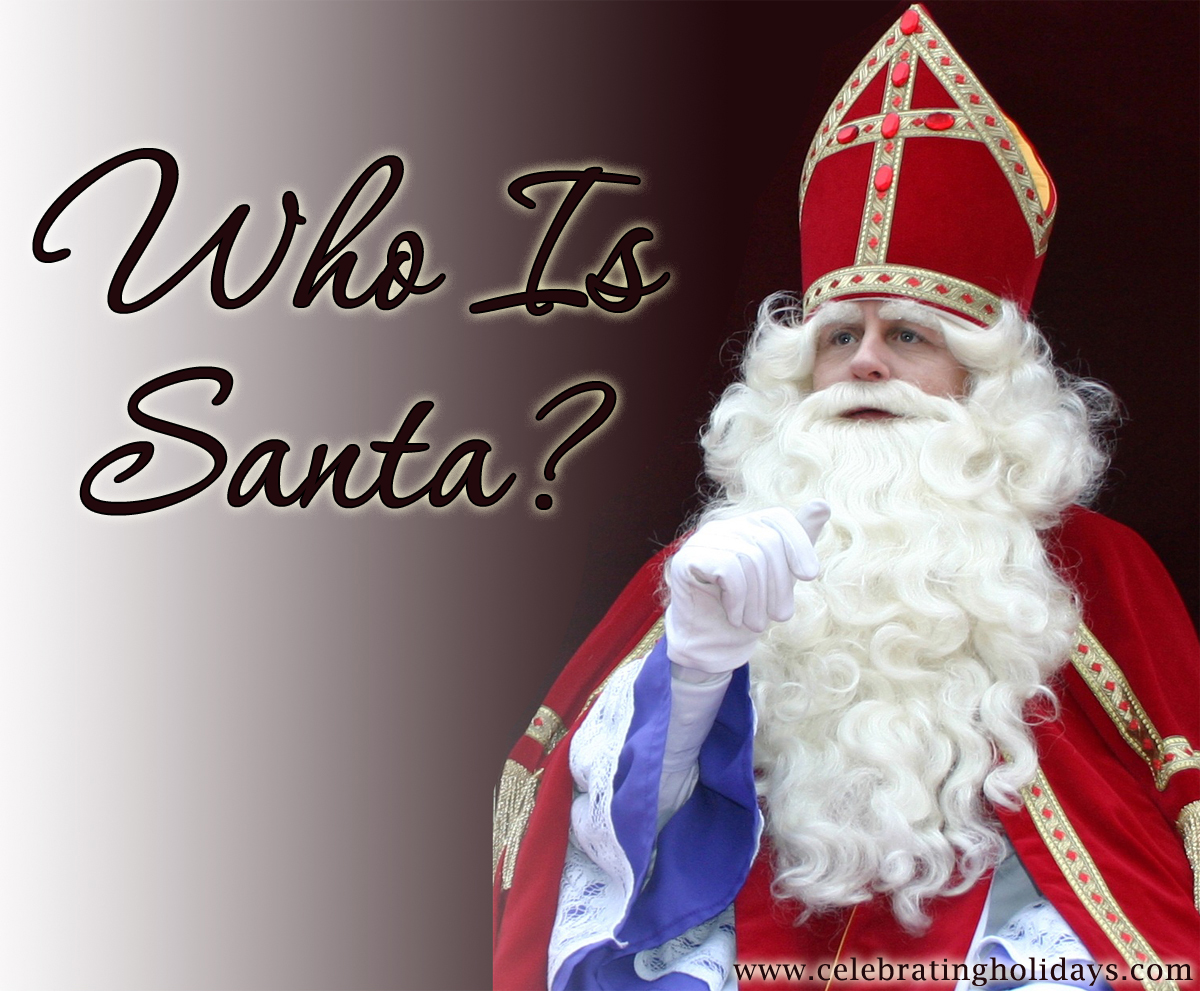
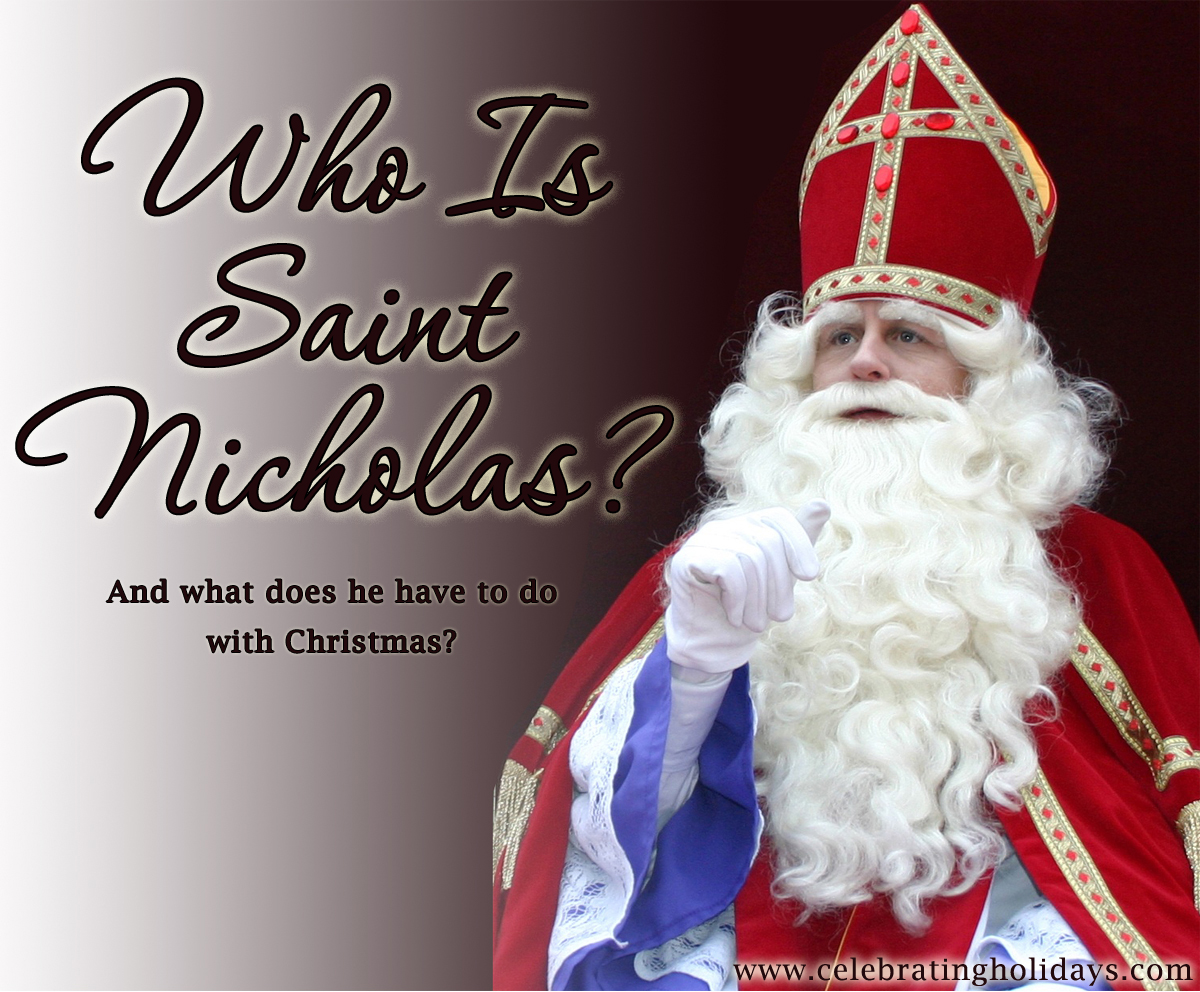
Father Christmas announces, “She [the White Witch] has kept me out for a long time, but I have got in at last. Aslan is on the move. The Witch’s magic is weakening.”He proceeds to give gifts and even delivers sugar, cream and tea “for the moment.”Then he called out, “‘Merry Christmas! Long live the true King!’ and cracked his whip, and he and the reindeer and the sledge and all were out of sight before anyone realized that they had started.” Clearly, both Tolkien and Lewis embraced the fantasy surrounding Christmas. I especially like how Lewis used the “Father Christmas” of Narnia to call attention to Aslan, the true King (generally understood to be a type of Christ). The beauty of our American Santa Claus is that his roots come from a historical person, St. Nicholas, who was truly a servant of Christ (not a competitor). The fact that American children are surrounded by images of Santa Claus during the Christmas season means that there are many opportunities to discuss the real St. Nicholas, a man whose life should inspire us to more fully serve God. One aspect of the historical St. Nicholas that I have chosen to emphasize with my children is his generosity. One of the most famous stories about St. Nicholas involves him secretly delivering gold to a father and his three daughters who, through misfortune, had become destitute. The practice of giving gifts “from Santa” is really just a way of giving anonymously. Secret generosity is consistent with how St. Nicholas gave gifts, and more importantly it follows Jesus’ instruction to let our giving be done in secret. As Jesus said, “Your Father who sees what is done in secret will reward you.” (Matthew 6:4). I have always told my children that the real St. Nicholas is in heaven with God and that all the fantasy that surrounds Santa is just “pretend.” My children are still young and love “pretend” stories (just as they love me to make up fairy tales every night before they go to bed). Though I take care to emphasize the difference between what is true and false, reality and fantasy, non-fiction and fiction, my children do not always grasp these distinctions. However, I know that with time and guidance, they will develop this discernment. When this time comes, I look forward to helping them recognize that our Christian story is so much better than fantasy, because it is miraculous, historical and TRUE! For a good short article on the Santa controversy, see the Crosswalk blog post by Nicki Koziarz: “The Great Santa Debate.” 1 Tolkien, J.R.R. The Father Christmas Letters. Edited by Baillie Tolkien. Houghton Mifflin Company, 1976. 2 Lewis, C.S. The Chronicles of Narnia, The Lion, The Witch and the Wardrobe. Harper Collins Publishers, 1982.You May Also Like:





One Response to Santa Part II: Thoughts on What to “Do” with Santa Claus


Hymn of the Week
Leave a Reply